
Consectetur Adipisicing Elit
We Support Children and Youth to Reach Their Full Potential
What We Do
01.
— We Find & Fund
Lorem ipsum dolor sit amet, consectetur adipisicing elit, sed do eiusmod incididunt ut labore et dolore magna aliqua ut enim ad minim veniam, quis nostrud.
02.
— We Build Networks
Lorem ipsum dolor sit amet, consectetur adipisicing elit, sed do eiusmod incididunt ut labore et dolore magna aliqua ut enim ad minim veniam, quis nostrud.
03.
— We Strengthen
Lorem ipsum dolor sit amet, consectetur adipisicing elit, sed do eiusmod incididunt ut labore et dolore magna aliqua ut enim ad minim veniam, quis nostrud.
04.
— We Educate
Lorem ipsum dolor sit amet, consectetur adipisicing elit, sed do eiusmod incididunt ut labore et dolore magna aliqua ut enim ad minim veniam, quis nostrud.
05.
— We Provide Care
Lorem ipsum dolor sit amet, consectetur adipisicing elit, sed do eiusmod incididunt ut labore et dolore magna aliqua ut enim ad minim veniam, quis nostrud.
06.
— We Consult
Lorem ipsum dolor sit amet, consectetur adipisicing elit, sed do eiusmod incididunt ut labore et dolore magna aliqua ut enim ad minim veniam, quis nostrud.
What We Care For!
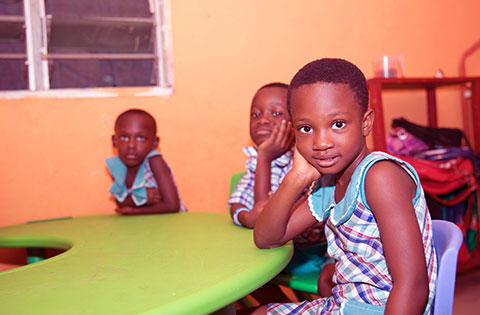
Bringing Dreams within Reach for Children
Lorem ipsum dolor sit, consectetur adipisicing elit, sed do eiusmod ut et dolore magna aliqua ut enim ad minim veniam quis.
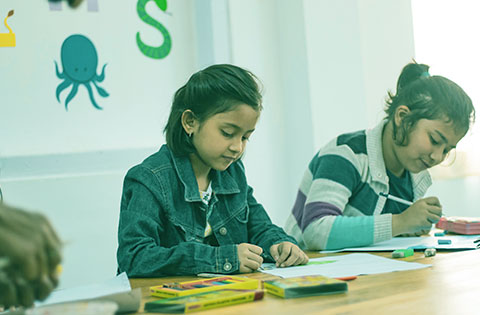
The Keys to a New Future for Exploited Chlidren
Lorem ipsum dolor sit, consectetur adipisicing elit, sed do eiusmod ut et dolore magna aliqua ut enim ad minim veniam quis.
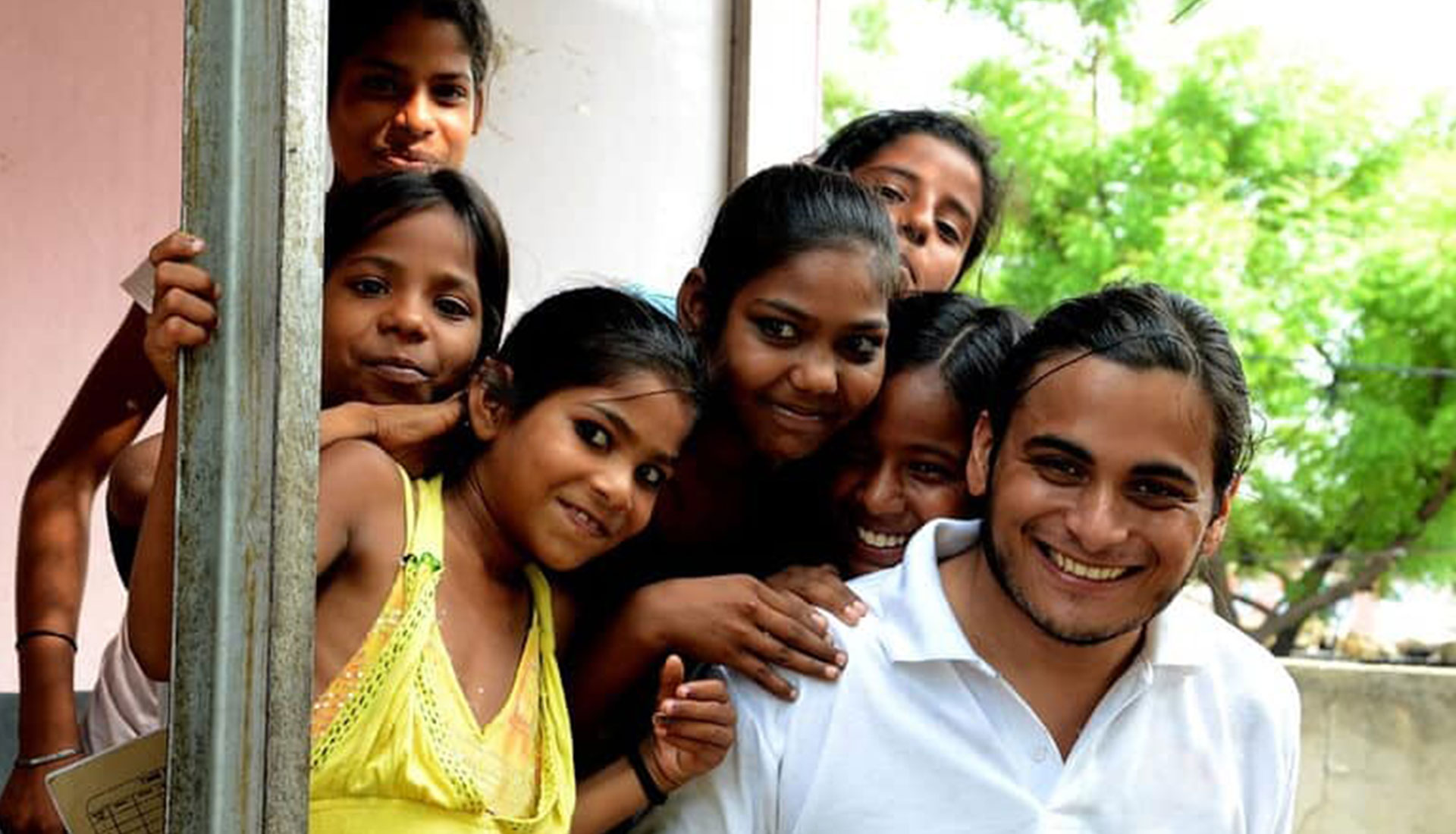
Boys Rise to Greatness in Burkina Faso
Lorem ipsum dolor sit, consectetur adipisicing elit, sed do eiusmod ut et dolore magna aliqua ut enim ad minim veniam quis.

Finding a New Life—in a New Land
Lorem ipsum dolor sit, consectetur adipisicing elit, sed do eiusmod ut et dolore magna aliqua ut enim ad minim veniam quis.

The Children who Break New Ground
Lorem ipsum dolor sit, consectetur adipisicing elit, sed do eiusmod ut et dolore magna aliqua ut enim ad minim veniam quis.

Bringing Dreams within Reach
Lorem ipsum dolor sit, consectetur adipisicing elit, sed do eiusmod ut et dolore magna aliqua ut enim ad minim veniam quis.
Donate
Support Us and Change the Course of a Child’s Life Today!
Lorem ipsum dolor sit amet, consectetur adipiscing elit. Ut elit tellus, luctus nec ullamcorper mattis, pulvinar dapibus leo.